
How Are Accident Injuries Diagnosed?
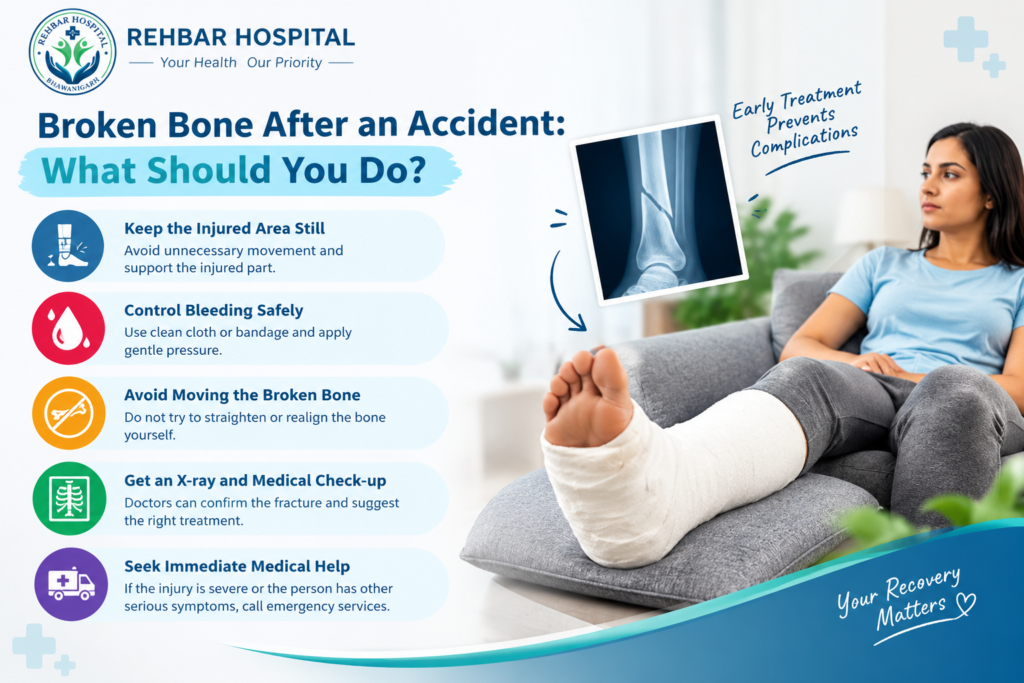
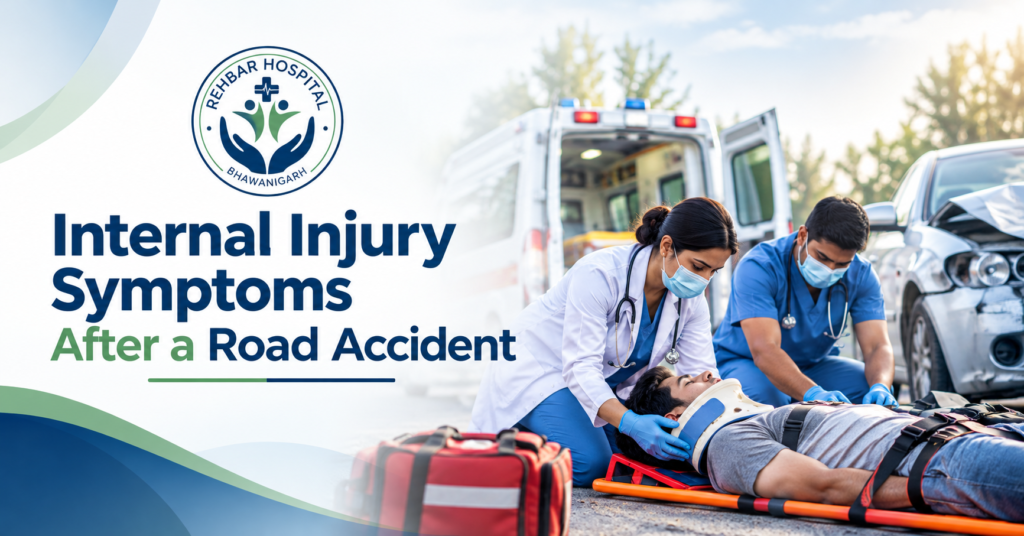
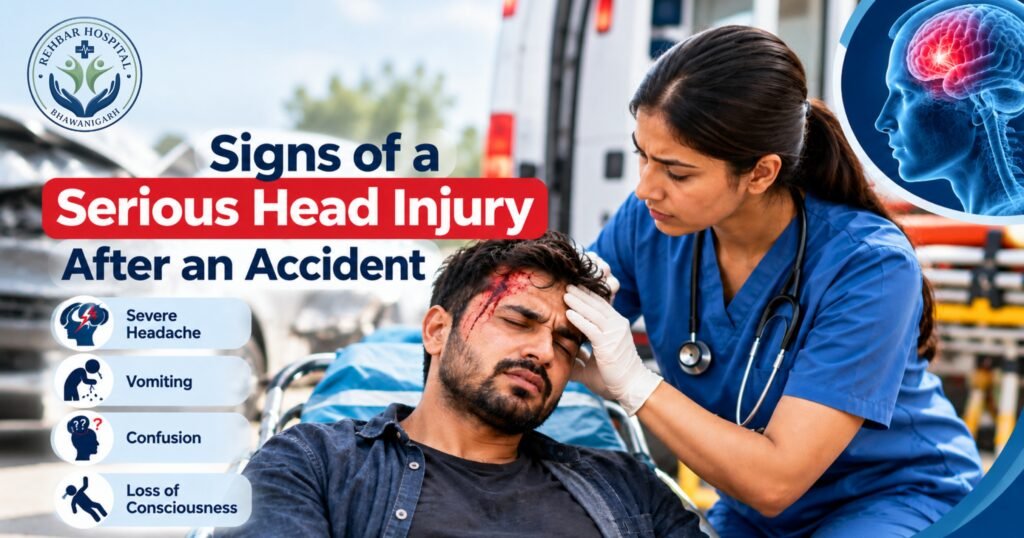
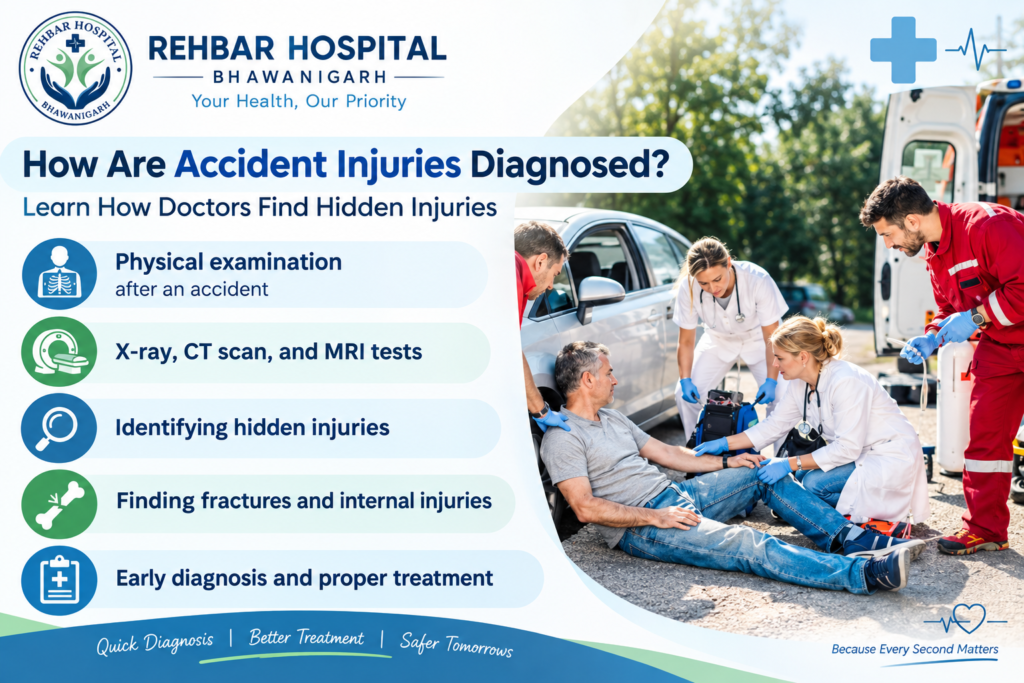
How Are Accident Injuries Diagnosed, Accidents can cause cuts, bruises, broken bones, and internal injuries. However, some injuries may not show symptoms right away. Therefore, you should visit a doctor after an accident, even if you feel fine. How are accident injuries diagnosed? Doctors ask how the accident happen, check your symptoms, and examine your body. They may also use medical tests to find hidden injuries. These tests help doctors identify injuries and choose the right treatment. In this blog, we will explain how doctors diagnose accident injuries, which tests they use, how to identify hidden injuries, and when you should visit a doctor. How Are Accident Injuries Diagnosed? Doctors diagnosed accident injuries by checking the patient’s symptoms and examining the injured body parts. First, they check for serious injuries. Then, they decide which medical tests the patient needs. For example, doctors use X-rays to find broken bones. A CT scan helps them find internal bleeding and injuries to the head or chest. An MRI helps them check for injuries to muscles and ligaments. Doctors also ask how the accident happened and check the patient’s symptoms and medical history. This information helps them choose the right tests and treatment. 1. Medical History and Accident Details The first step How Are Accident Injuries Diagnosed is to understand how the accident happened. Doctors ask questions about the accident to identify possible injuries. They may ask these questions: How did the accident happen? Which part of your body got hurt? Did you lose consciousness? Do you have pain, swelling, dizziness, or bleeding? Do you have any health problems? Are you taking any medicines? The answer help doctors understand the possible injuries. For example, a person who gets hit on the head may need a head injury check. Similarly, a person who falls on their hand may have a broken wrist. Doctors also consider the patient’s age, medical history, and symptoms before deciding which medical tests they need. 2. Physical Examination After an Accident A physical examination helps doctors find injuries after an accident. Doctors check the injured body parts for signs of damage. They also check the patient’s overall health. Doctors may check for: Cuts, bruises, and bleeding Swelling and pain Pain during movement Difficulty moving joints Muscle strength and feeling Changes in breathing or heart rate Signs of nerve damage In an emergency, doctors first check the patient’s airway, breathing, and blood flow. They also look for heavy bleeding and other serious problems. Next, doctors examine the injured areas more carefully. For example, if a patient’s arm hurts, doctors check for swelling, difficulty moving the arm, and signs of a broken bone. However, a physical examination may not find every injury. Therefore, doctors may recommend medical tests if they suspect a serious or hidden injury. 3. Diagnostic Tests After a Road Accident Doctors use different medical tests after a road accident to find broken bones, internal injuries, and damage to muscles or ligaments. They choose the right tests based on the patient’s symptoms and physical examination. X-Ray for Accident Injuries An X-ray helps doctors check for broken bones and dislocated joints. It can also show other bone problems. For example, if a patient has severe leg pain after a road accident, the doctor may recommend an X-ray to check for a broken bone. However, an X-ray cannot find every injury. Doctors may need other tests to check for small fractures or injuries to muscles and ligaments. CT Scan for Accident Injuries A CT scan uses X-rays and a computer to create detailed images of the body. Doctors may recommend this test if they suspect serious internal injuries. A CT scan can help doctors find: Internal bleeding Certain head and brain injuries Chest and abdominal injuries Complex bone fractures Damage to internal organs For example, doctors may recommend a CT scan after a serious accident if the patient’s symptoms or examination suggest a major injury. However, doctors consider the patient’s condition and the risks of radiation before recommending this test. MRI for Accident Injuries An MRI uses magnets and radio waves to create detailed images of the inside of the body. It helps doctors find injuries that may not appear clearly on an X-ray. Doctors may use an MRI to check for: Ligament injuries Tendon injuries Muscle injuries Spinal cord or nerve problems Certain brain injuries For example, a patient may still have joint pain after an accident, even if an X-ray shows no broken bones. In this case, the doctor may recommend an MRI to check for ligament or other soft tissue injuries. However, not every accident injury needs an MRI. Doctors recommend this test when it helps them identify the injury or choose the right treatment. Ultrasound and Blood Tests Doctors may also use an ultrasound to check soft tissues, fluid buildup, or possible internal bleeding in certain situations. Blood tests can help doctors check blood loss, organ function, and other health problems. However, blood tests alone cannot find every accident injury. Therefore, doctors use medical test results along with the patient’s symptoms and physical examination to understand the injury and choose the right treatment. 4. How Do Doctors Diagnose Internal Injuries After an Accident? How Are Accident Injuries Diagnosed Internal injuries after an accident can be dangerous because they may not cause visible wounds. Therefore, doctors check the patient’s symptoms and ask how the accident happened. These injuries can affect the brain, chest, abdomen, blood vessels, and internal organs. Sometimes, symptoms appear hours after the accident rather than immediately. Doctors look for warning signs such as: Severe or increasing stomach pain Difficulty breathing Dizziness or fainting Confusion or unusual sleepiness Repeated vomiting Severe headache Pale, cold, or sweaty skin Unusual weakness Blood in the urine or vomit Doctors may recommend blood tests, an ultrasound, or a CT scan to check for internal injuries. They choose the tests based on the patient’s condition. However, some internal injuries may not cause clear symptoms at first. Therefore, seek medical help quickly after a serious accident,