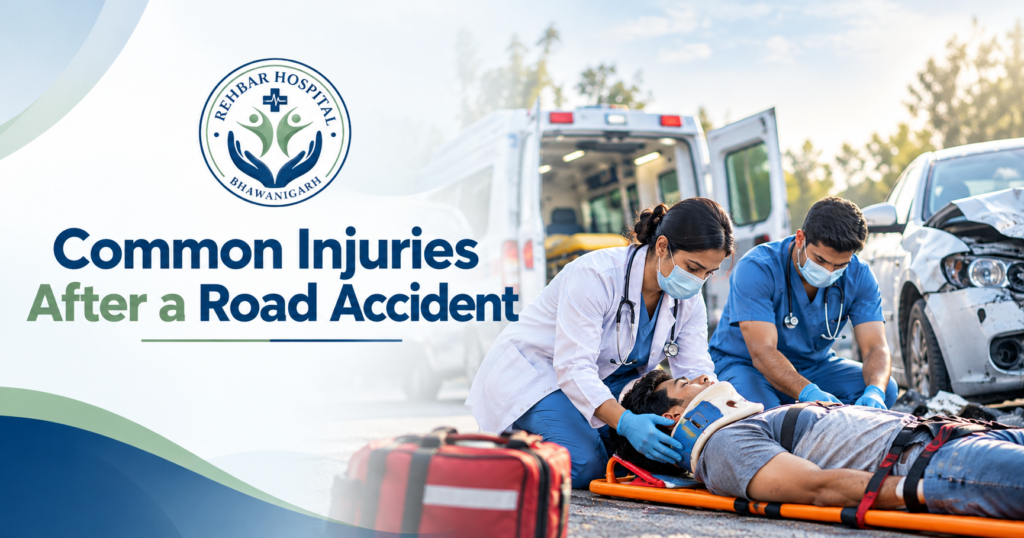
Common Injuries After a Road Accident
What are the common injuries after a road accident? The common injuries after a road accident include cuts, bruises, fractures, and muscle injuries. However, accidents can also cause serious head, neck, chest, or internal injuries.Some injuries cause clear pain or swelling. Others may show fewer signs at first. Therefore, a medical check can help identify injuries that need treatment.Road crashes can cause many types of trauma. The injury often depends on the crash, impact, and body position.This guide explains common road accident injuries and their warning signs. It also explains when emergency medical care may be needed. What are the most common road accident injuries? Road accident injuries can affect almost any part of the body. However, some injuries occur more often than others. 1. Cuts, wounds and bleeding Cuts can happen when the body hits glass, metal, or another hard surface. Scrapes can also occur when skin rubs against the road.Small wounds may cause only minor bleeding. However, heavy bleeding needs urgent medical attention.Internal bleeding can also happen after major trauma. It may not always cause visible blood.Warning signs may include:Severe weaknessDizziness or light-headednessPale or clammy skinFast heartbeatShortness of breathConfusionAbdominal pain or swellingTherefore, suspected internal bleeding needs urgent medical assessment. 2. Head injuries A head injury can happen when the head hits the road, vehicle, or another object.A person may develop a concussion after a head injury. A concussion is a temporary injury that affects brain function.Common symptoms can include:HeadacheDizzinessNauseaBalance problemsTirednessMemory problemsTrouble concentratingVision problemsSome symptoms may appear hours or days after the injury. Therefore, feeling well immediately does not always rule out a problem.A worsening headache, repeated vomiting, seizure, confusion, weakness, or unusual sleepiness needs urgent medical care. 3. Neck injuries and whiplash Neck injuries are common after sudden vehicle movement. Whiplash happens when the head moves quickly back and forth.Common symptoms include:-Neck pain-Neck stiffness-Headache-Shoulder pain-Arm pain-Muscle spasmsHowever, symptoms may take several hours to appear.Tingling, numbness, weakness, or walking problems need urgent assessment. These symptoms may suggest nerve involvement. 4. Spinal injuries A serious accident can injure the spine or spinal cord. These injuries need careful medical assessment. Possible warning signs include:-Numbness-Tingling-Weakness-Trouble moving the arms or legs-Loss of normal bladder or bowel controlTherefore, do not move a person unnecessarily if you suspect a spinal injury. Wait for trained emergency help when possible. 5. Bone fractures A fracture means that a bone has broken. Car and bike accidents can cause fractures in the arms, legs, ribs, pelvis, or other bones.Common signs include:-Strong pain-Swelling-Bruising-Difficulty moving-Abnormal shape-Difficulty putting weight on a limb Sometimes, a fracture is not obvious from the outside. Therefore, a doctor may recommend an X-ray after an accident. At Rehbar Hospital, the Emergency & Trauma unit provides trauma assessment. The hospital also lists on-site X-ray access and orthopaedic support for fractures and dislocations. 6. Soft tissue injuries Soft tissue injuries affect muscles, tendons, or ligaments. They can happen during sudden impact or twisting.Common examples include:-Sprains-Muscle strains-Bruises-Swelling-Muscle weaknessThese injuries can cause pain and reduced movement. However, some symptoms may improve with proper care and time.A doctor can assess the injury if pain is severe or movement becomes difficult. 7. Chest injuries A strong impact can injure the chest. Rib bruising and rib fractures can occur after vehicle crashes. Chest injuries may cause:-Chest pain-Pain while breathing-Bruising-Tenderness-Shortness of breath However, serious chest injuries can affect breathing. Therefore, worsening breathing problems need urgent medical care.Coughing up blood after a serious chest injury also needs urgent assessment. What are the signs of serious injury after an accident? Some warning signs need immediate medical attention. These signs can include:-Loss of consciousness-Difficulty breathing-Severe or uncontrolled bleeding-Repeated vomiting-Seizures-Severe confusion-Increasing sleepiness-New weakness or numbness-Trouble speaking-Trouble walking-Severe neck or back pain-Severe chest pain-Coughing up blood-Severe abdominal pain or swellingThese symptoms can indicate a serious injury. Therefore, seek emergency medical care without delay. Can accident injuries appear later? Yes, some accident symptoms may appear later. For example, whiplash symptoms can take several hours to develop.Likewise, some concussion symptoms may appear hours or days after an injury.Therefore, pay attention to new or worsening symptoms after an accident. Do not ignore symptoms simply because you felt fine immediately afterward. What should you do after a road accident? First, move to a safe place if you can do so safely. Then check whether anyone needs urgent help.If someone has severe bleeding, apply firm pressure to the wound. However, do not remove objects stuck inside a wound.Next, seek emergency medical help for serious injuries. Avoid moving someone unnecessarily when you suspect a spinal injury.Also, do not delay medical care while collecting documents. Medical assessment should come first during a serious emergency. WHO notes that delays in post-crash care can increase the severity of injuries. How are road accident injuries diagnosed? Doctors first assess the person’s condition and symptoms. They may also check movement, pain, breathing, and other important signs.Depending on the injury, doctors may recommend imaging or other tests.For example, an X-ray can help check for bone fractures.Other tests may be needed when doctors suspect internal or serious injuries. The exact tests depend on the person’s condition.Therefore, avoid assuming that one test can identify every accident injury. How are road accident injuries treated? Treatment depends on the type and severity of the injury.For example, a small wound may need cleaning and dressing. A fracture may need immobilisation and orthopaedic treatment.Similarly, serious injuries may need emergency stabilisation or surgery. The medical team decides treatment after assessment.At Rehbar Hospital, the Emergency & Trauma service describes a process of triage, stabilisation, diagnosis, and specialist involvement.Rehbar also lists emergency care for road traffic accidents. Its service page states that trauma assessment, wound care, and stabilisation are provided. When should you go to a hospital after an accident? You should seek urgent medical care after an accident when symptoms are severe, worsening, or unusual.You should also seek emergency help after a serious crash. This is especially important with head, neck, spine, chest, or abdominal injuries.For example, loss of consciousness or breathing difficulty needs immediate assessment. Severe bleeding also requires
