Internal Injuries After a Road Accident: Warning Signs
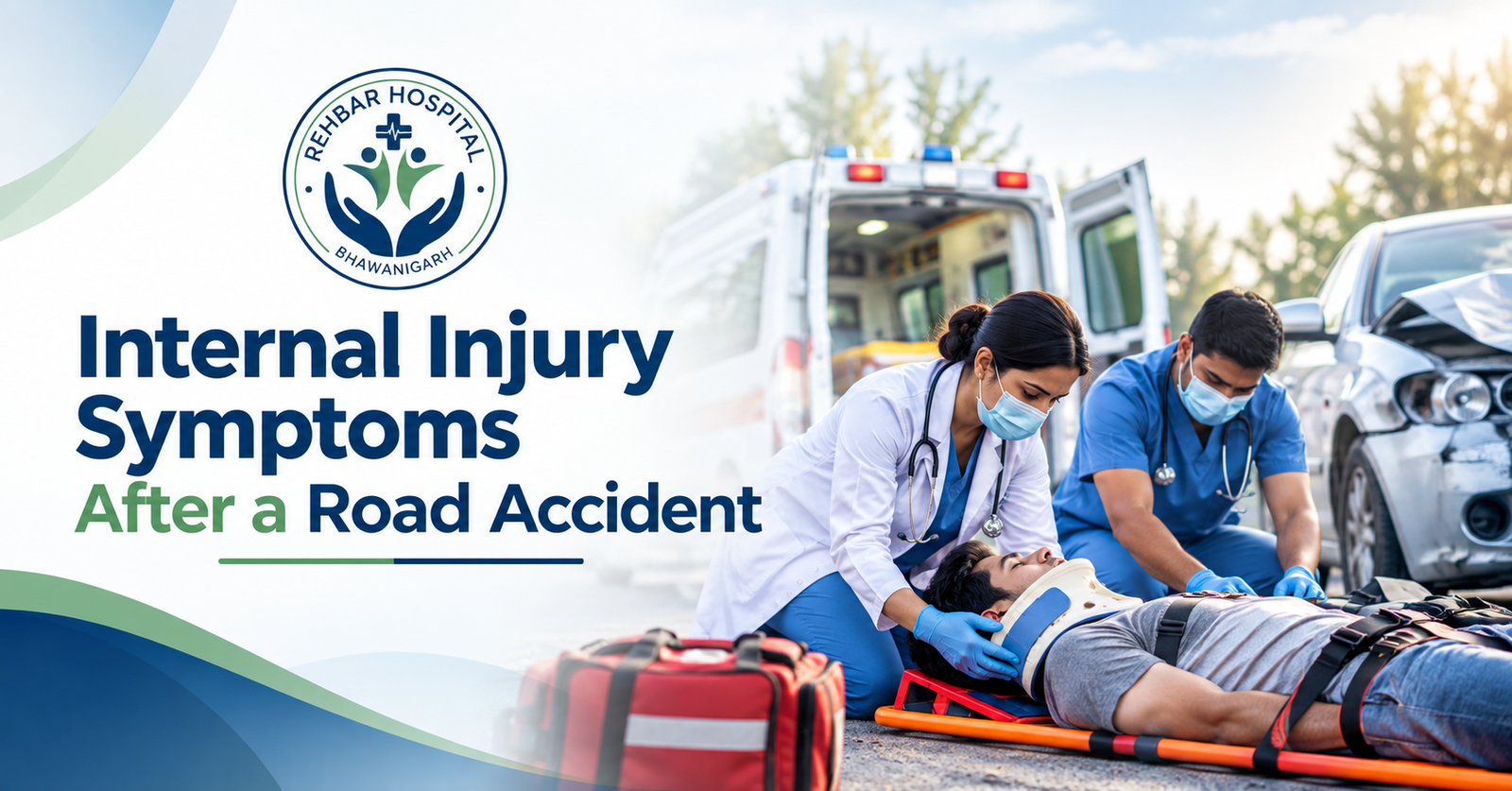
Introduction
A road accident can cause injuries that are not visible on the skin. These are called internal injuries. They may affect organs, blood vessels, bones or other tissues inside the body.Some internal injuries cause symptoms immediately. Others may not be obvious at first. A person may have an internal injury even without an open wound or heavy external bleeding.Recognising internal injury symptoms can help people understand when urgent medical assessment is needed. This guide explains common warning signs, possible causes, first aid and how doctors assess these injuries.
What Are Internal Injuries?
Internal injuries occur when an accident damages structures inside the body. These may include the brain, chest, abdomen, blood vessels or internal organs. A road accident can cause internal injuries through a direct impact, a fall or sudden movement of the body. The severity depends on the force of the accident and the body part affected. Internal bleeding is one possible complication. It happens when blood leaks from damaged blood vessels or organs into the body. Not every internal injury causes bleeding. Some injuries may involve damage to organs, tissues or bones without visible blood.
Common Internal Injury Symptoms After a Road Accident
Symptoms can vary depending on the type and location of the injury. Watch for the following warning signs after an accident.
1. Abdominal Pain or Swelling
Pain in the stomach or abdomen may occur after an impact. The abdomen may also feel tender or appear swollen.
Severe or worsening abdominal pain after an accident needs urgent medical assessment. Internal injuries can sometimes cause symptoms without visible wounds.
2. Dizziness, Weakness or Fainting
Dizziness, unusual weakness or fainting after an accident may indicate a serious problem. These symptoms can occur when the body loses a significant amount of blood. Confusion, unusual drowsiness or reduced alertness also needs urgent attention. Do not assume these symptoms are caused only by stress or tiredness.
3. Chest Pain or Difficulty Breathing
A strong impact to the chest can injure the ribs, lungs or other structures. Warning signs may include chest pain, rapid breathing or difficulty breathing.Breathing problems after an accident require immediate medical attention. Do not wait for the symptoms to settle on their own.
4. Unusual Bruising or Skin Changes
Bruising can develop when small blood vessels are damaged. Large, spreading or painful bruises after a serious accident deserve medical assessment.
However, the absence of bruising does not rule out an internal injury. Some injuries may not cause visible skin changes.
5. Blood in Urine, Stool or Vomit
Blood in urine, vomit or stool after an accident may indicate bleeding inside the body or injury to an organ. Seek urgent medical assessment if these symptoms appear after an accident. Black, tar-like stools or vomit containing blood also require prompt medical attention.
6. Headache, Confusion or Loss of Consciousness
A road accident can cause a head injury, even when there is no visible wound. Symptoms may include a worsening headache, confusion, vomiting or loss of consciousness. A person with a suspected head injury needs appropriate medical assessment. A severe or worsening headache, repeated vomiting, seizures or reduced alertness requires urgent emergency care.
Can Internal Injury Symptoms Appear Later?
Yes. Some internal injuries may not cause clear symptoms immediately after an accident. Symptoms can develop or become more noticeable later. This is why a person should not judge the severity of an accident only by how they feel at first. A serious impact, a suspected head injury or new symptoms after an accident should not be ignored. Seek emergency medical care for severe pain, difficulty breathing, fainting, confusion or signs of possible internal bleeding. Do not wait for every symptom to appear before seeking help. paragraph here
What Should You Do If You Suspect an Internal Injury?
Take the following steps if you suspect a serious internal injury after a road accident:
Do not try to diagnose an internal injury at home. Medical assessment is important when an injury is suspected.
How Do Doctors Check for Internal Injuries?
Doctors assess the person's symptoms, accident history and physical condition. They may check breathing, circulation, alertness and signs of injury. Depending on the findings, further tests may be needed. These can include blood tests or imaging tests, such as ultrasound or CT scans.The choice of test depends on the suspected injury and the person's condition. Not everyone needs the same investigations. Some injuries require observation, while others need urgent treatment. The medical team decides the next steps based on the assessment and test results.
When Should You Seek Emergency Care?
Seek emergency medical help after an accident if a person has any of these warning signs:
These symptoms can indicate a serious injury. Do not wait for symptoms to become more severe.For information about emergency and trauma services, you can refer to the Emergency & Trauma Care page.
Frequently Asked Questions:
Conclusion
Internal injuries after a road accident may not always be visible. Abdominal pain, chest pain, dizziness, breathing difficulty and changes in alertness are important warning signs. Recognising these symptoms can help people seek appropriate care without unnecessary delay. If a serious injury is suspected, contact emergency services and follow professional medical advice.
Medical disclaimer: This article is for general educational purposes only. It does not replace an examination or advice from a qualified healthcare professional.
